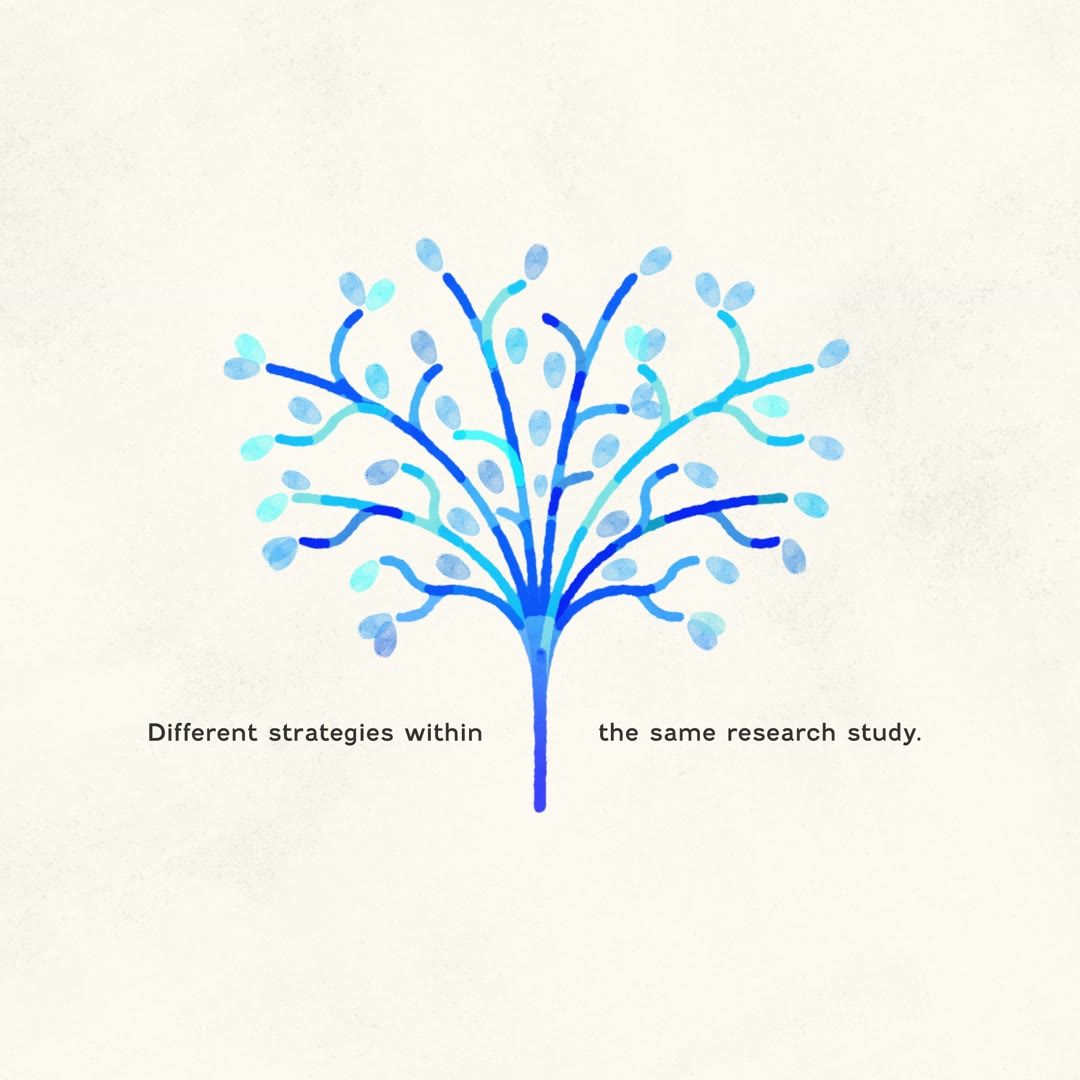
An explainer for researchers on how to include non- and minimally-speaking autistic people in their work, based on research by Dr Katy Unwin and Dr Léon van Ommen. The aim was to turn dense findings into an accessible message, with a tone that shows how much the work matters.
The Centre for Autism and Theology at the University of Aberdeen had done a literature review. Around 30% of autistic people are non- and minimally-speaking, yet in one review of autism research, only 2 in 100 participants were. A clear problem that needed fixing.
The project had to practise what it preaches. A film about inclusive research that is hard to follow would undercut itself. The clients were also clear from the start that it shouldn't feel corporate. I'm on a bit of a mission against death-by-PowerPoint, so we set out to make something with a story, with ups and downs and a vibe we could get behind.
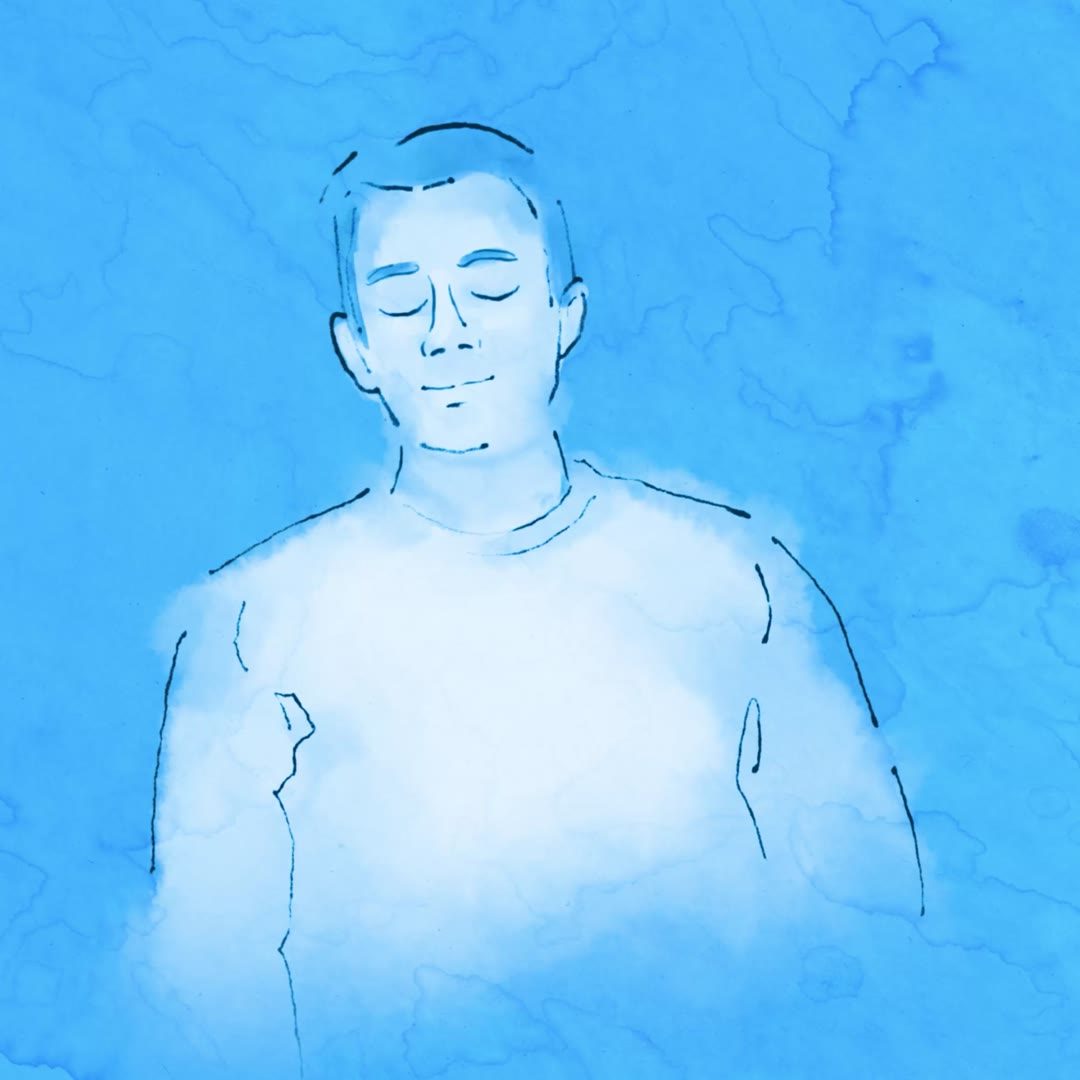
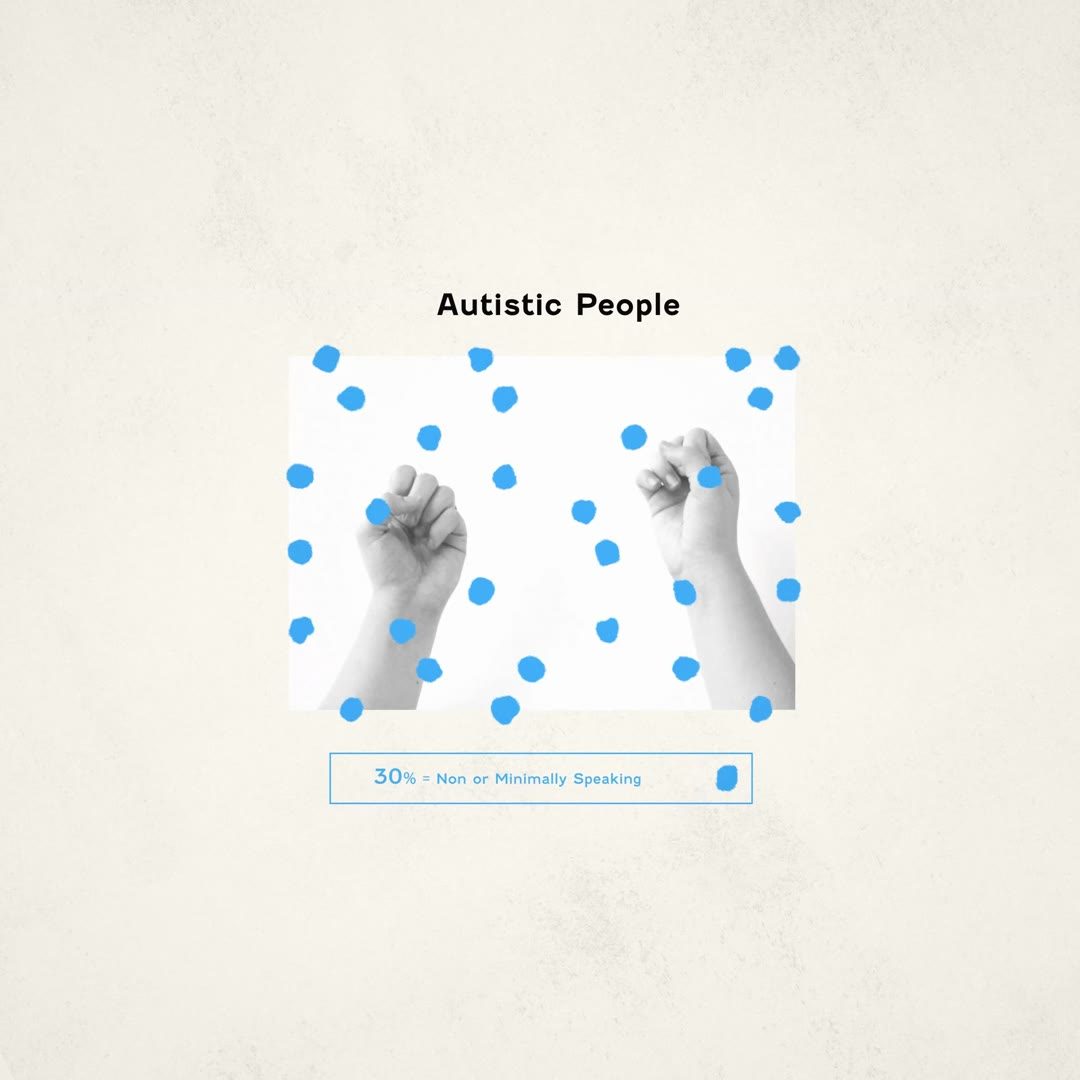
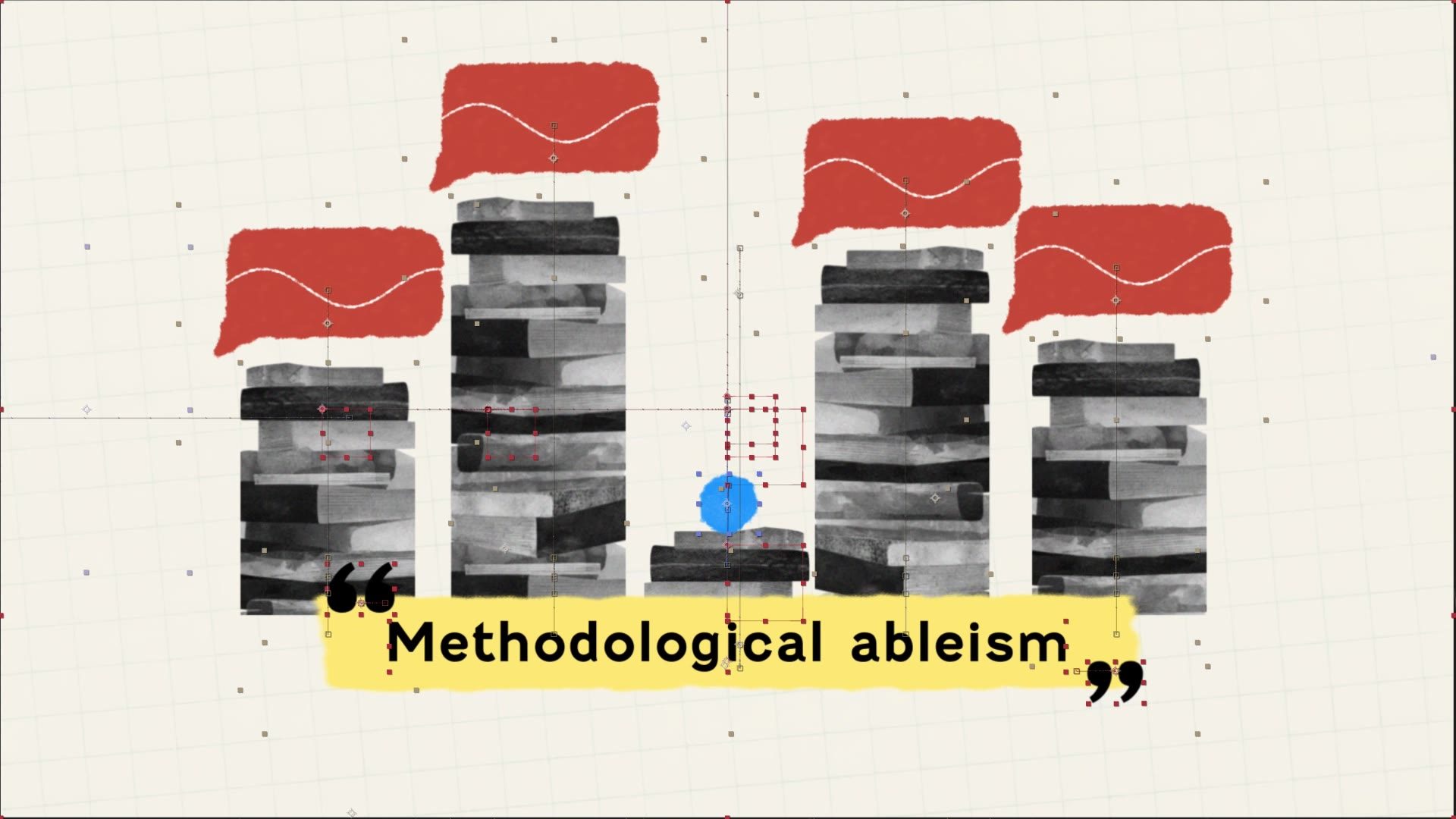
The hardest part was the visuals. They had to be accurate because it's research, but still engaging and emotive. How do you show abstract concepts without relying on clichés? How do you show statistics without feeling clinical?
We ended up with a handmade style, inspired by communication methods that rely on drawing and painting. The idea is that the film is a collaboration between researcher and participant.
Colour is central to telling the story. The film starts in the researcher's greyscale notes and opens out into a colourful, free-flowing world.
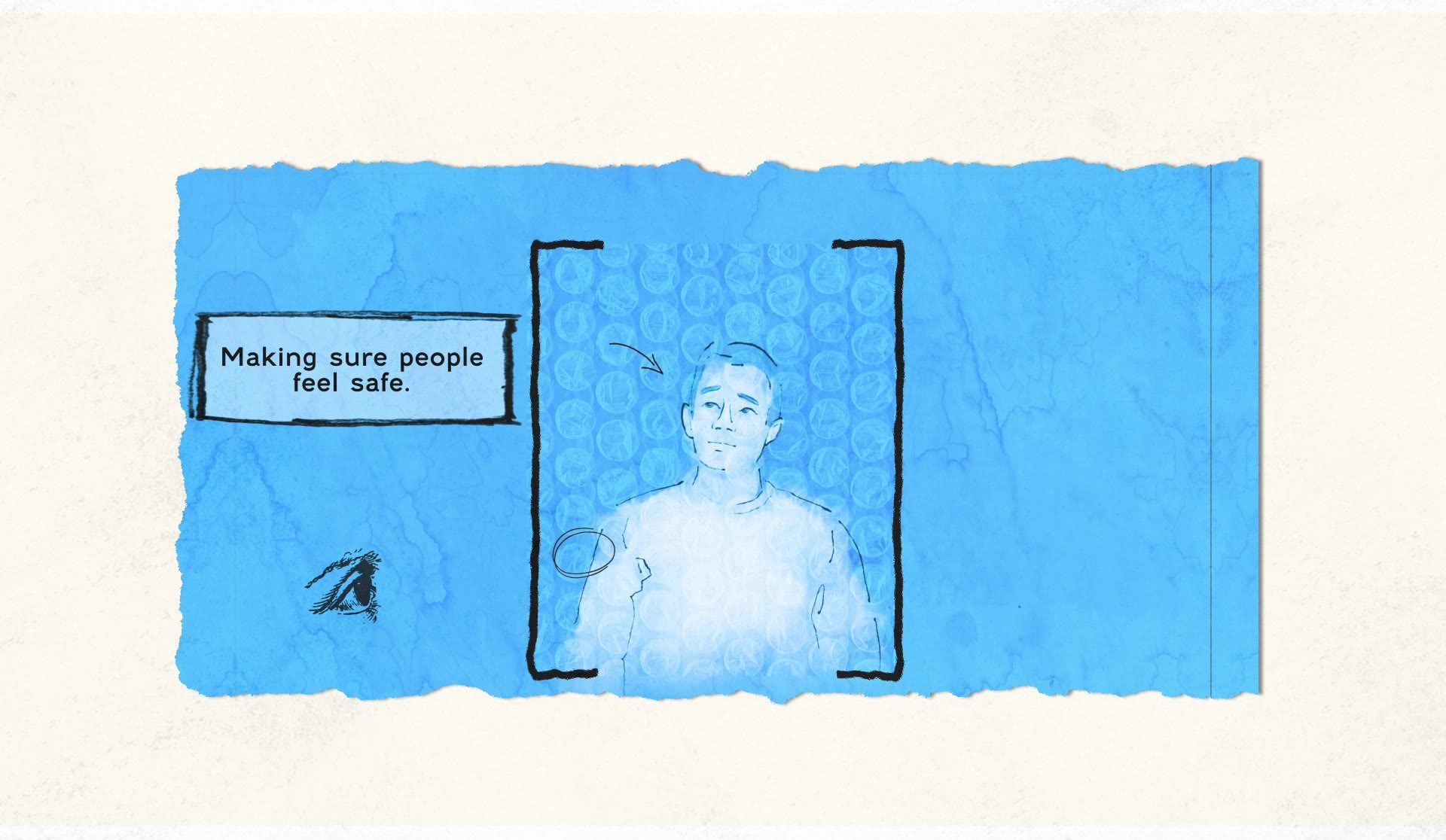
Including non-speaking participants can feel daunting, and nobody wants to get it wrong. So how do you show someone being left out without making them a victim, or the researcher a villain? A central character helped. He humanises the concept and shows how a person interacts with the research.
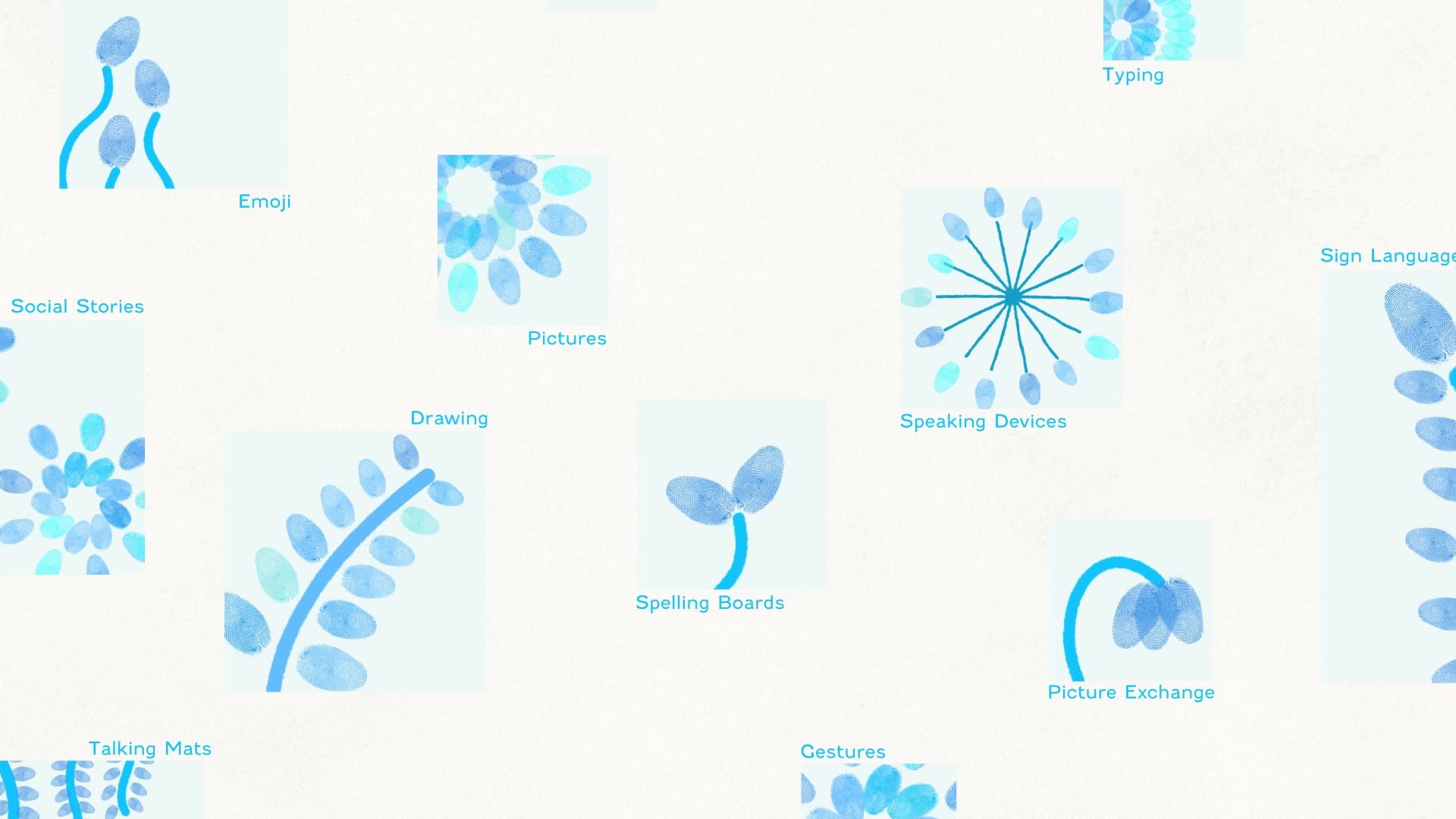
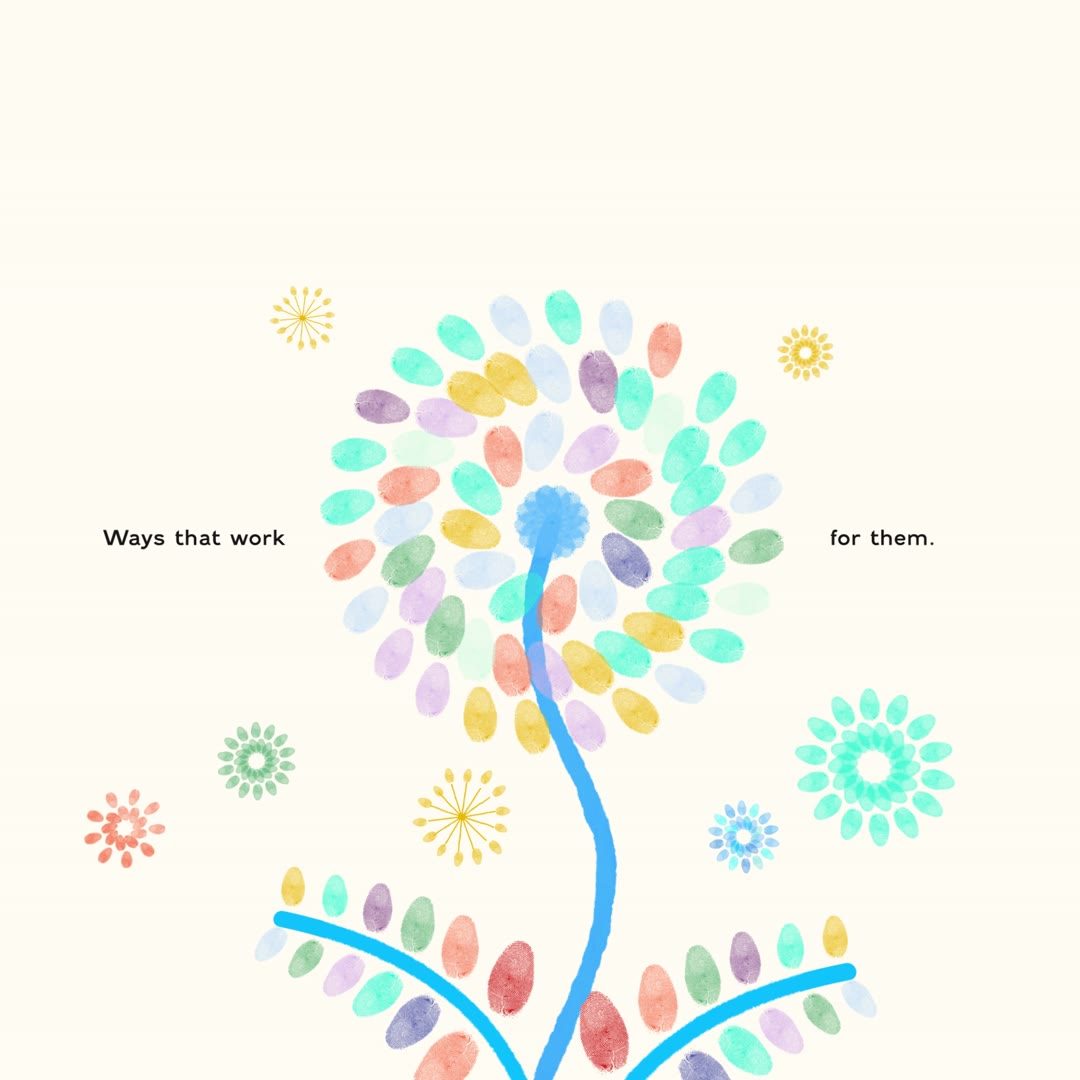
I wanted a way to show lots of communication styles without just listing them. The plants started as a happy accident, from my love of botanical journals: a page of specimens, each one different, none better than the others.
Five minutes isn't much time for an academic literature review, so the script had to be short and snappy. What are the high points, the low points? Where can the audience take a breath?
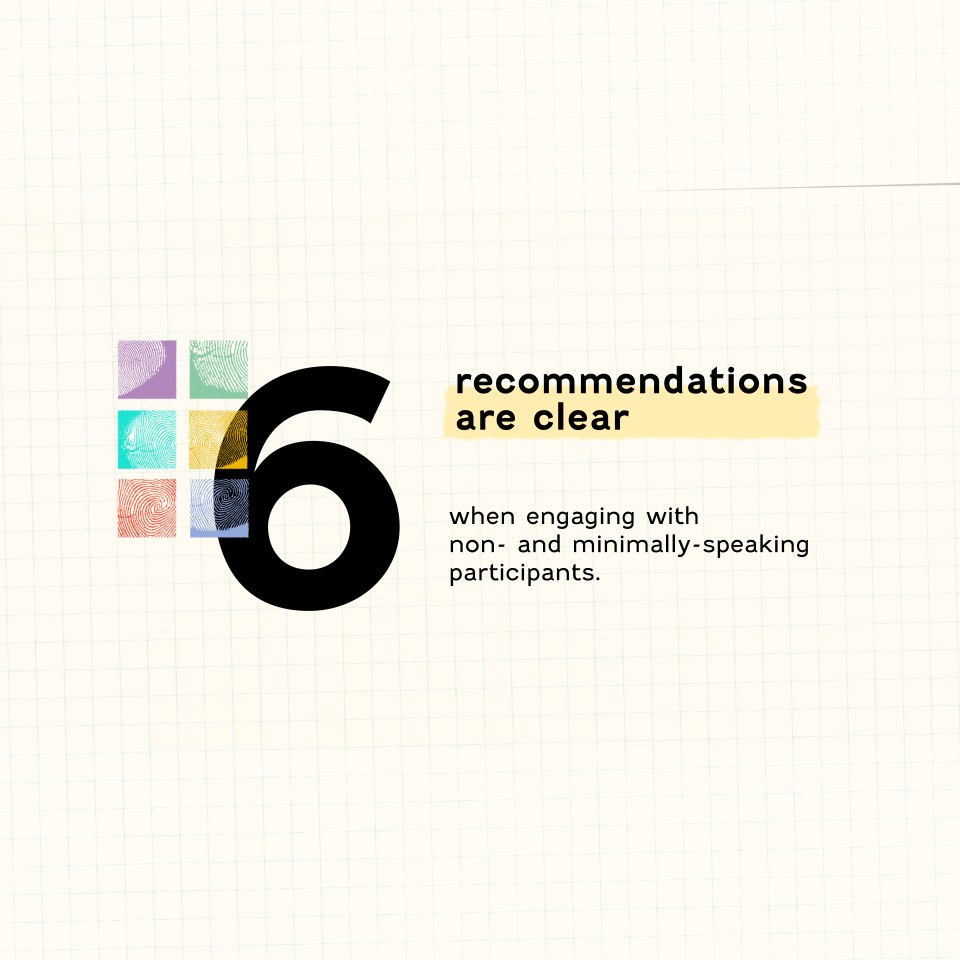
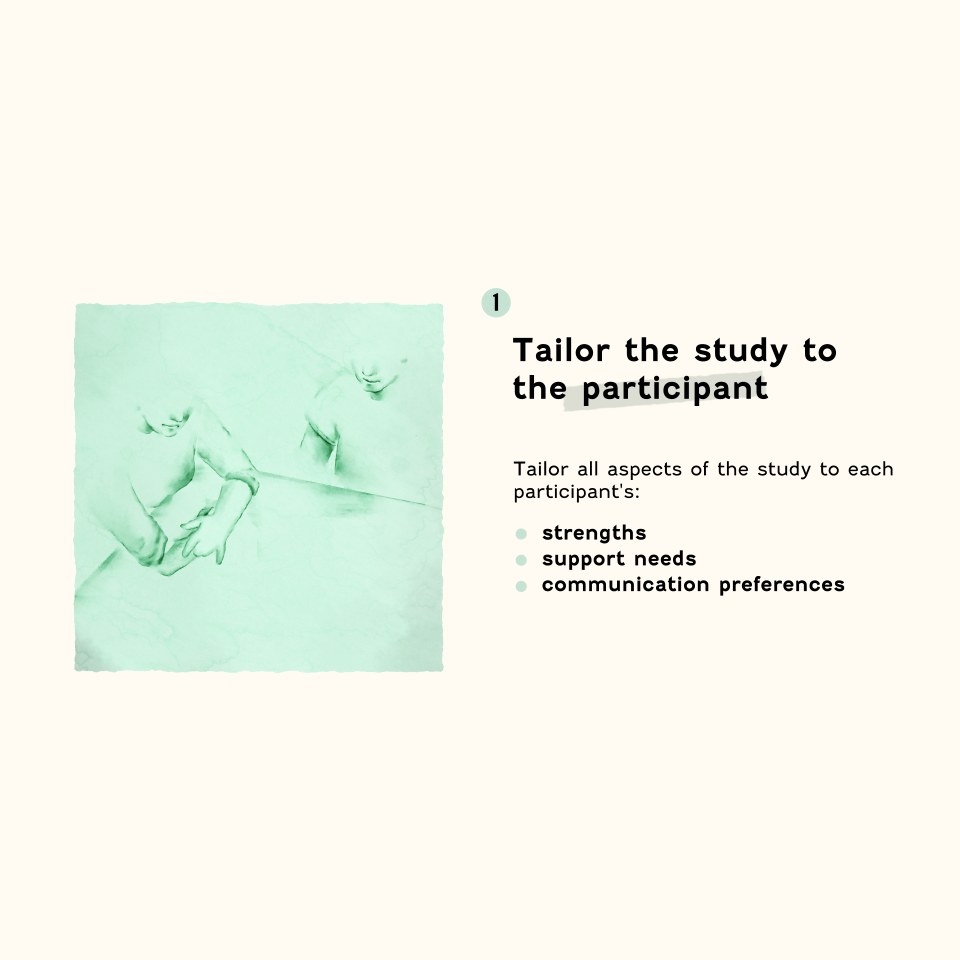
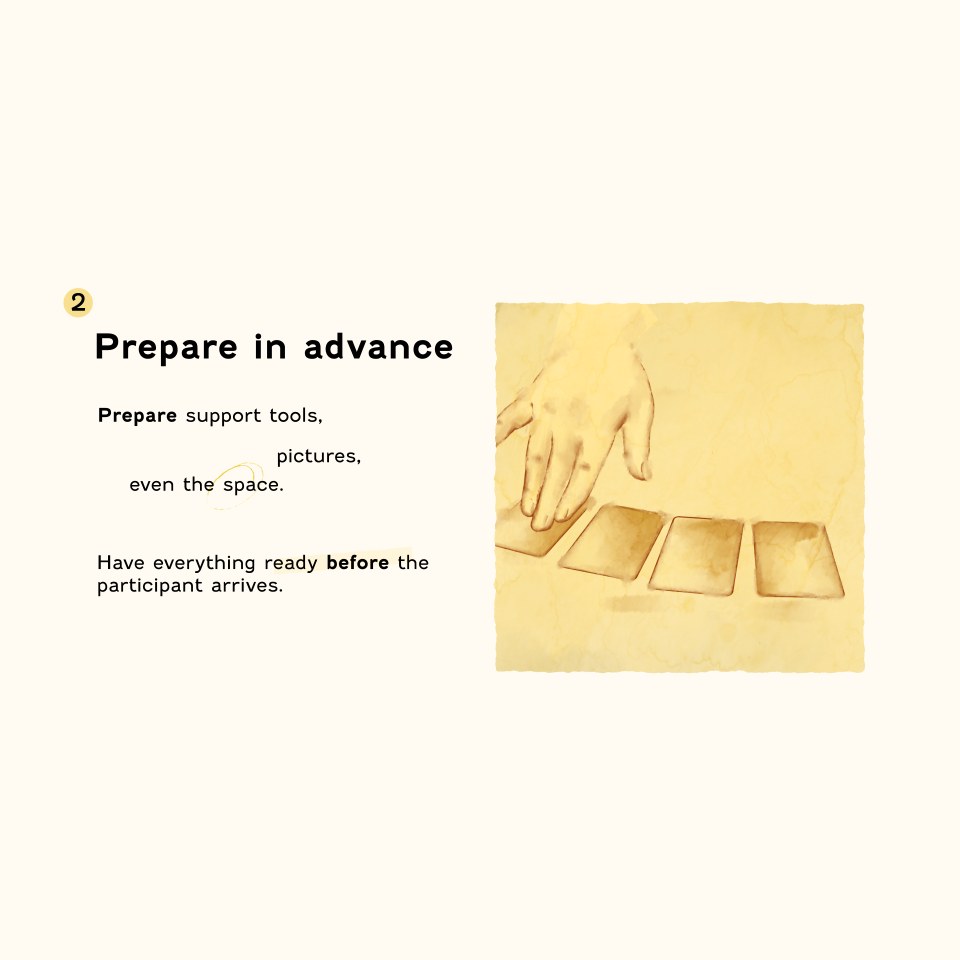
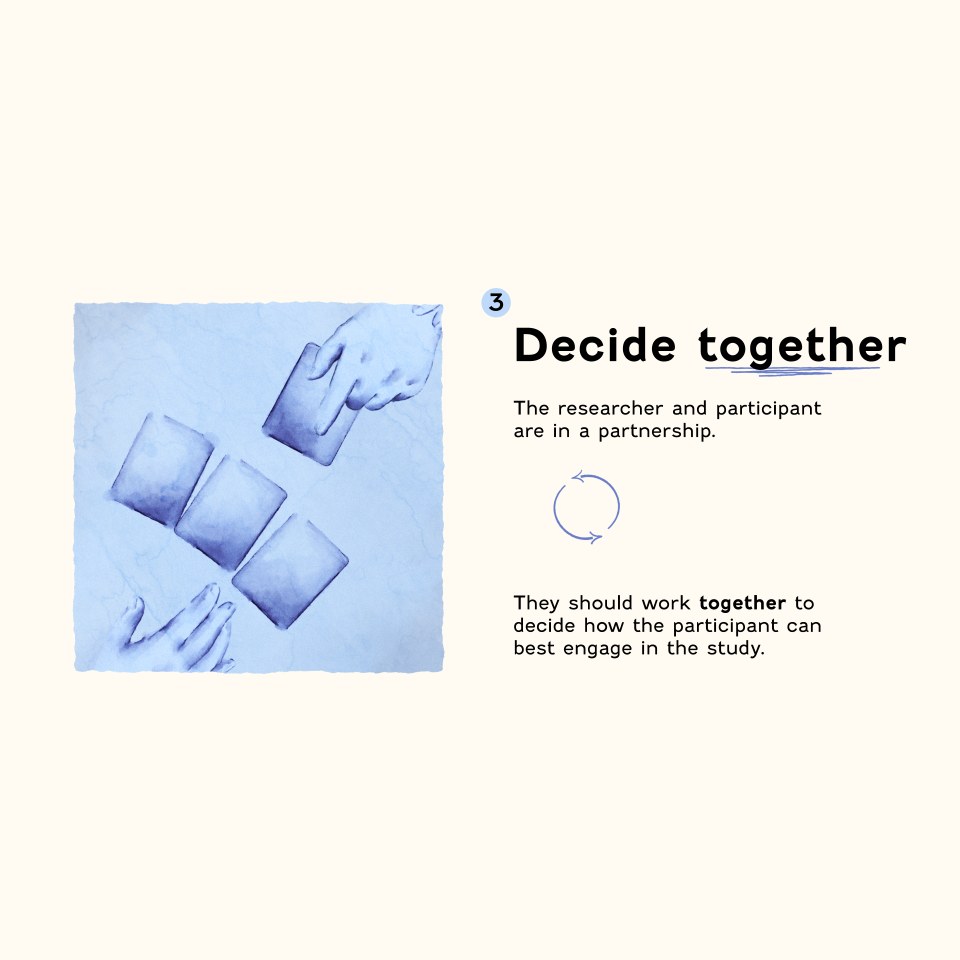
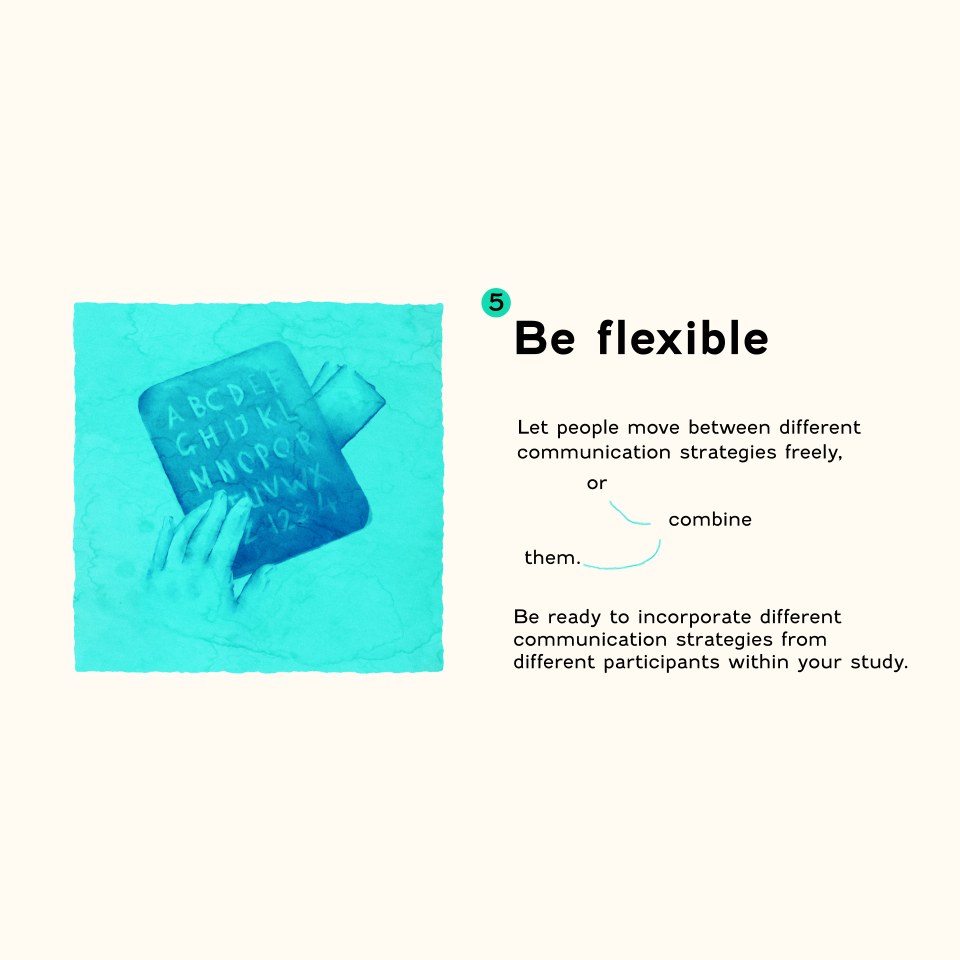
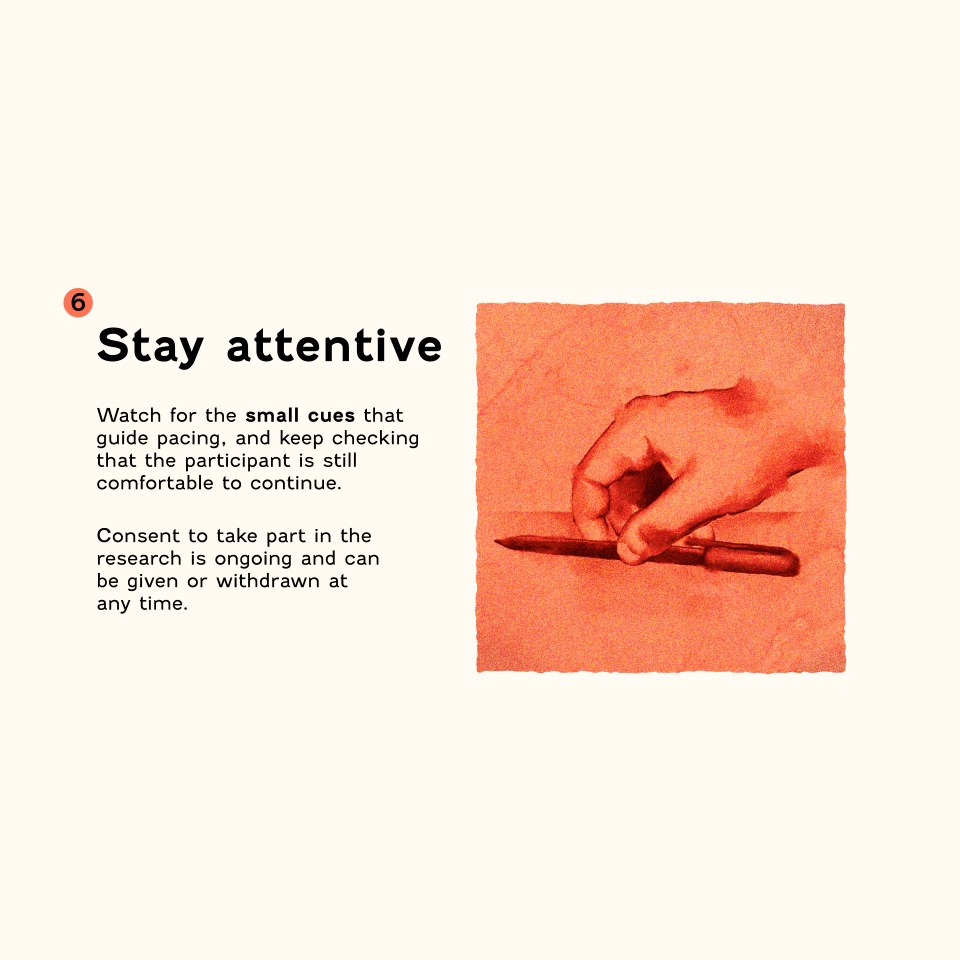
The film builds to six recommendations, each with its own colour and its own hand-drawn object.
The trickiest bit was showing something tailored to a person. What quick icon says unique? Fingerprints. Every one is different, so every study should be too, and they feel personal and a little handmade, which was the point.
Susie Brighouse created these illustrations. I wanted the six recommendations to feel like their own memorable section, not just simple icons, so we came up with a set of small scenes that capture the tactility of research. They're colourful and safe, and a helpful break from the video's larger motifs.

I worked directly with Léon and Katy, with no agency or middle layer. They had the research and I handled the creative side, from pitch documents, styleframes and storyboards to the final export. Working directly gave me a great sense of what was needed and a good understanding of the video's tone.
“It’s been great working with Jack. It was most gratifying how quickly Jack understood in-depth what we tried to convey through the video, and how he was able to turn that from mood board to script to animation to the final video. We would not hesitate to work with Jack on our next project!”
Dr Léon van Ommen, Centre for Autism and Theology, University of Aberdeen